
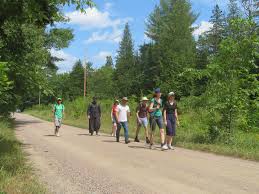
The Who, What, and Why of “Walk the Opeongo Line”
To set out on a journey like this – 67 kilometres – just over forty miles, or a marathon and a half – of walking, camping, praying, etc. – you may need some good reasons. A strong sense of adventure isn’t enough to make everyone fill out the registration form. So, for those of you asking, “Is this pilgrimage really for me?”, you will, hopefully, find your answer here.
Who? Wittingly or unwittingly we are all pilgrims. We each have a spiritual destination to which we are headed. For those who embrace the pilgrimage, the road on which we walk is difficult, but God offers all that is necessary to reach the destination. For those who have not set their sites on a destination, the road is wide and easily travelled, but the destination is undesirable. If you want to take the narrow path that leads to heaven, then the disciplines of the pilgrimage are for you.
Everyone who wants to go to heaven must choose to walk the road that leads to heaven. One need not to walk the Opeongo Line in order to reach heaven. This pilgrimage is, rather, a microcosm or symbol of the real pilgrimage that leads to our heavenly homeland. The Opeongo pilgrimage is for those who are physically able and have a desire for spiritual growth. You do not need to be a great athlete or even a mediocre athlete; you just need to be willing and able to persevere through that 67 kilometres of walking over 3 days, which includes fatigue, heat, camping, rain, bugs, and whatever else may come your way. A 6-year-old and a 78-year-old have both completed the entirety of the walk, but that doesn’t mean it’s easy. There have also been teenagers and young adults who quit after a day because of their lack of physical – and psychological – preparedness. Know yourself. Prepare yourself.
What? As alluded to in the previous section, a pilgrimage is a spiritual journey. In his essay, The Idea of a Pilgrimage, Hillaire Belloc describes pilgrimage in this way, A pilgrimage is, of course, an expedition to some venerated place to which a vivid memory of sacred things experienced, or a long and wonderful history of human experience in divine matters, or a personal attraction affecting the soul impels one. This is, I say, its essence. This idea of a pilgrimage leaves the door open to variations. The cloistered nun meditating intently on images of Calvary places herself at the feet of Jesus, next to Mary, and so, despite what one might assume, she is able to journey thousands of kilometers without leaving her cell and make her pilgrimage to the Holy Land. Whether the journey is on foot or bicycle, by car or bus, or even just in one’s imagination, it can participate in what it means to be a pilgrimage. We must simply set out on the road to which God calls us.
Walk the Opeongo Line is an ascetical type of pilgrimage. It is not the most ascetical type, but it does impose various challenges. Our pilgrims are not obliged to go barefoot garbed in sackcloth and ashes or to climb the steps of the churches on their knees, though, they could if they want to. The distance, weather, bugs, perhaps other pilgrims, and various other things are all crosses that we willingly take up as we walk to St. Ann’s. Perhaps, for some, the prayer disciplines will be challenging: attending a Latin Mass, singing or reciting the Rosary, adoration, confession, and attending daily Mass are all moments in which we encounter God’s greatness and our own weakness. There are many moments during this pilgrimage in which we will recognize our weaknesses, and in those moments we should remember the words of St. Paul, For the sake of Christ, then, I am content with weaknesses, insults, hardships, persecutions, and calamities; for when I am weak, then I am strong (2 Cor 12:10).
Why? This is the most important of the questions. St. Thomas Aquinas, speaking about man’s last end, says, Although the end be last in the order of execution, yet it is first in the order of the agent’s intention (I-II, Q. 1, a. 1). Unless we have a reason to set out on the pilgrimage, we won’t even begin. It’s easy to stay home, to make excuses, and to be busy with the things of the world. However, if we want to take ‘the road less travelled’ and the ‘narrow path’, we must be willing to set aside time and energy for the things of the Lord. An ascetical pilgrimage is a traditional and proven way to allow God to show you the path to heaven.
In the great pilgrimage that is the Christian life, the end is to know, love, and serve God in this world and to be happy with Him forever in heaven (cf. Baltimore Catechism, 1). God, through Christ and His Church, has given us everything necessary to achieve that end. This little pilgrimage is a concentrated dose of Christ and His Church. Over the course of four days we experience highs and lows of the spiritual life. We encounter Christ in the Sacraments, in Scripture, in our neighbour, in nature, and in ourselves. At times we want to quit. At other times we wish the pilgrimage would go on for a few more days. But, most importantly, when we walk the final meters up to the shrine in the hot end-of-July sun, and we hear the heavenly bells of St. Ann ringing, we know that we are home.

Remembering Father Alphonse de Valk
(Today marks the sixth anniversary of the death of Father Alphonse de Valk, C.S.B., a faithful, courageous and indefatigable Basilian priest, pro-life-and-family apostle, and the founder of Catholic Insight magazine. Here is what we wrote those on his entering into eternity five years ago, as we continue to remember him in our prayers and thoughts)[…]Continue reading→

Divine Mercy Sunday – An Echo of Every Mass
Reach out your hand and put it in my side. Do not doubt but believe’… ‘My Lord and my God!’ (Jn. 20:18)). Today is Divine Mercy Sunday, and as we celebrate the end of the Easter Octave, we contemplate the wounded side of our Saviour, the Church’s source of life. On Good Friday in the[…]Continue reading→

Saint Stanislaus of Szczepanów
We celebrate Saint Stanislaus today (+ April 11, 1079), in light of this Easter Octave, a bishop and martyr who accepted the episcopacy only at the direct order of Pope Alexander II. He proved a wise and courageous leader of his flock, put to death by his own king, Boleslaus, for rebuking the monarch’s ‘immoral[…]Continue reading→
First Holy Communion: Sermon from May 16, 1943
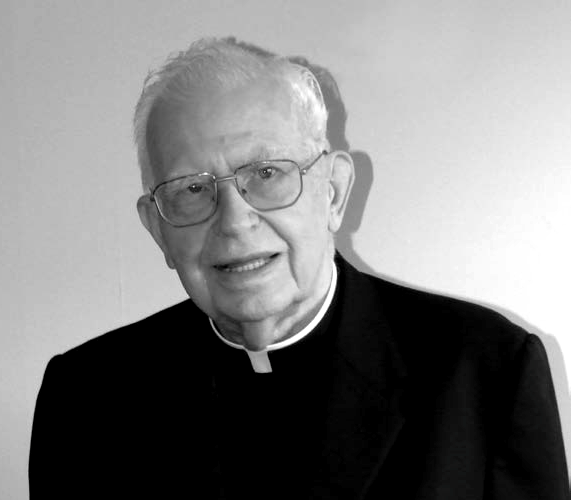
Here is a sermon from the good old days by +Rev. Msgr. Vincent Nicholas Foy (August 14, 1915 – March 13, 2017), from 1943. Readers may recall that Pope Saint Pius X, by the decree Quam Singulari in 1910, lowered the customary age of reception of Holy Communion – after the rigours of the plague[…]Continue reading→
In the Glorious Light of Easter, Alleluia!
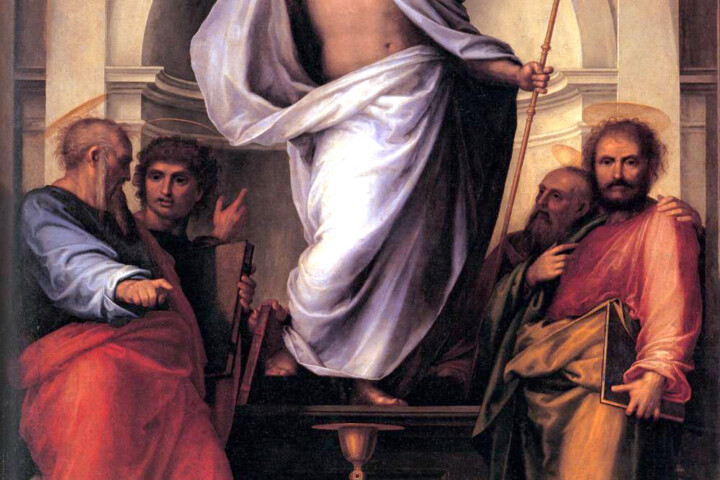
Set your minds on things that are above, not on things that are on earth, for you have died, and your life is hidden with Christ in God. When Christ who is your life is revealed, then you also will be revealed with him in glory (Col. 3:3-4). The Resurrection of Our Lord and Saviour[…]Continue reading→
An Ancient Homily for Holy Saturday
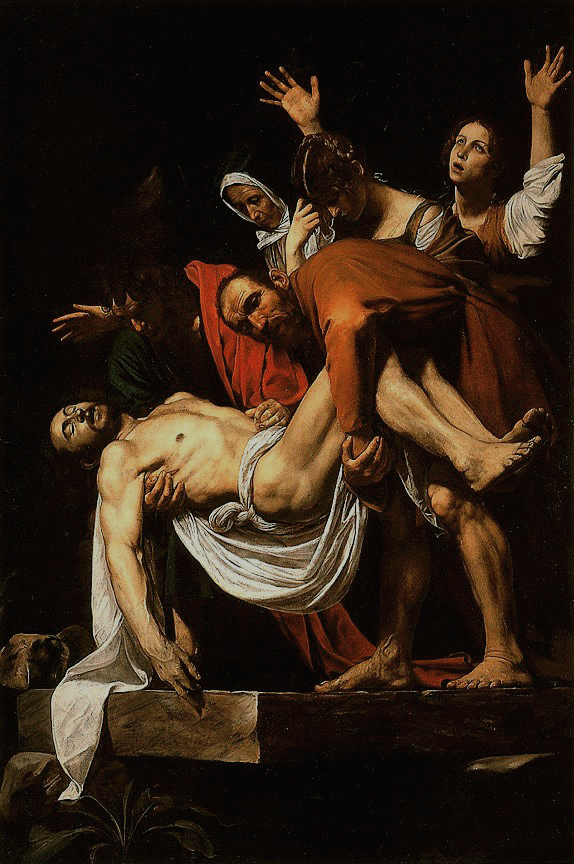
The time between Good Friday and Easter Sunday is one of waiting, in silence, as the world wonders – anticipates – what will happen, after the death of Christ. We re-live this time each year in the anamnesis of our liturgy, and in turn look forward to the glorious re-creation of all things at the[…]Continue reading→
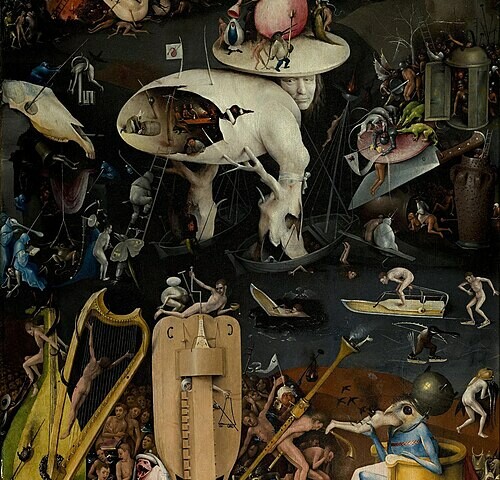
Europe’s Long Descent
(As we meditate on this day on Christ’s burial, and His descent into hell, it is fitting to ponder here with contributor Peter Marcus how the world seems to be heading there as well. The difference is that, although God cannot ‘redeem’ hell, nor those therein, He can and did redeem the world. There is[…]Continue reading→
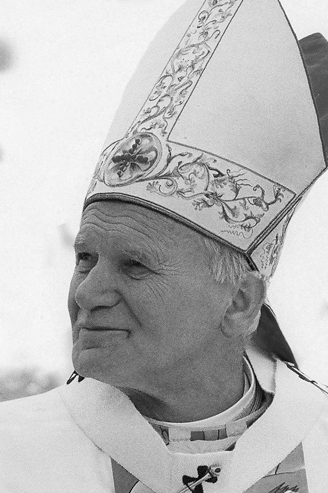
Pope Saint John Paul II’s First Good Friday Homily
ADDRESS OF HIS HOLINESS JOHN PAUL II AT THE CONCLUSION OF THE STATIONS OF THE CROSS AT THE COLOSSEUM Good Friday, 13 April 1979 When we make the Way of the Cross from one station to the next, in spirit we are always at the spot wherethis journey had its “historical” place: where it[…]Continue reading→
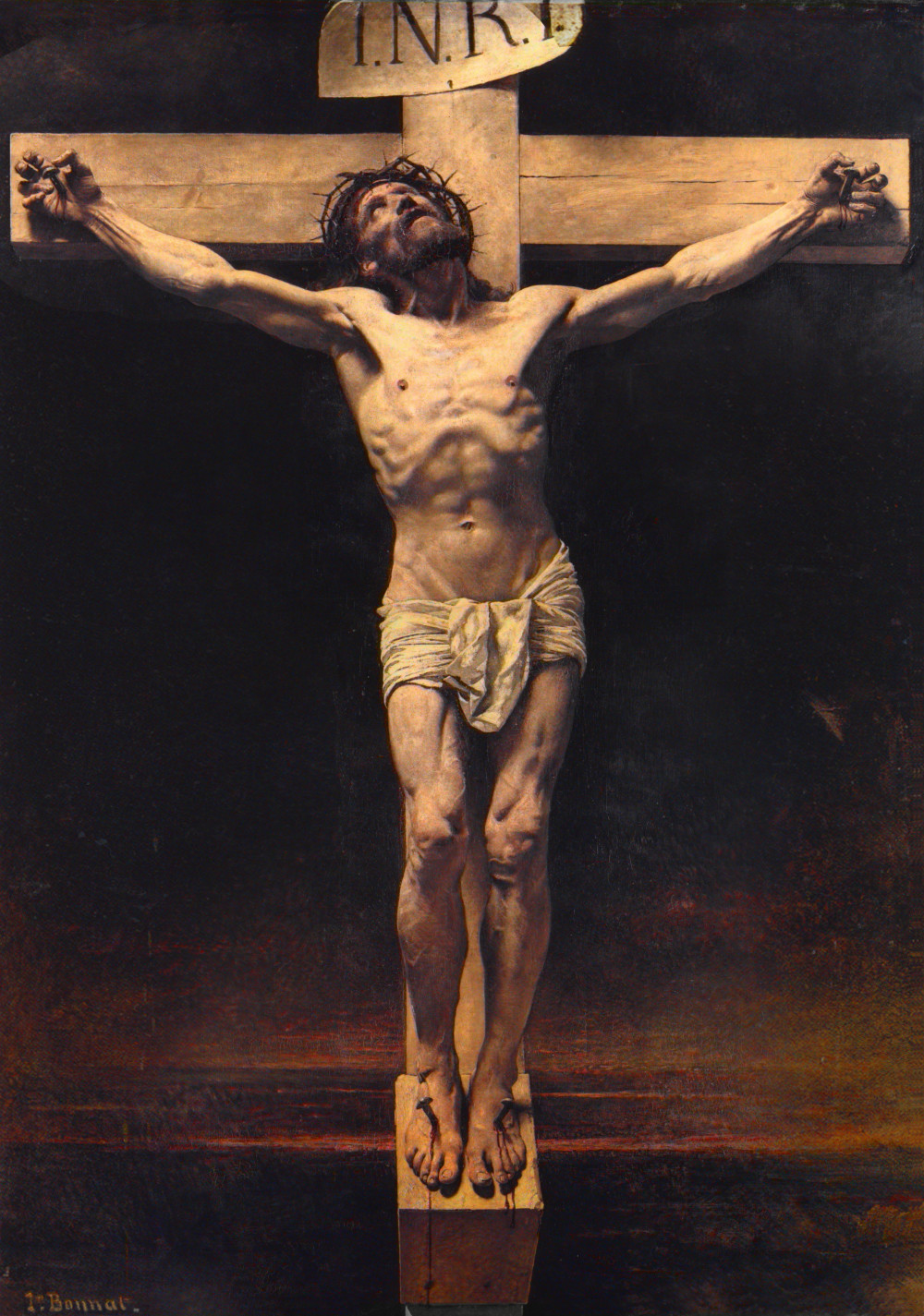
A Meditation for Good Friday: How To Undo the Effects of Sin?
Cardinal Newman, now Saint John Henry Newman, was a towering figure of nineteenth-century Catholicism who is almost universally admired. I say “almost” because not everyone likes him. I knew a priest once, Arthur Caulkins, who has become disenchanted with Newman. As an undergraduate Arthur had been enamoured of Newman, and this interest continued when he[…]Continue reading→
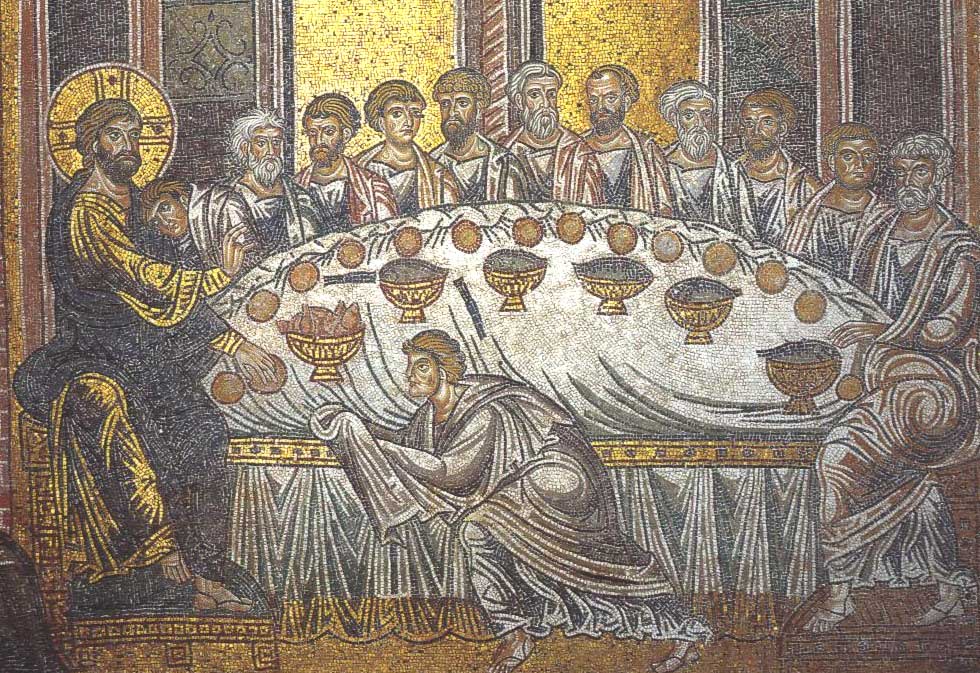
Pope Benedict’s Last Holy Thursday Homily
MASS OF THE LORD’S SUPPER HOMILY OF HIS HOLINESS BENEDICT XVI Basilica of St John Lateran Holy Thursday, 5 April 2012 Photo Gallery (Video) Dear Brothers and Sisters! Holy Thursday is not only the day of the institution of the Most Holy Eucharist, whose splendour bathes all else and in some ways draws it to[…]Continue reading→